
本篇意在提供「現在的尺寸落在哪個字象」的快速查表的工具書功能,此對照表僅呈現尺寸與文公尺刻度在尺身上的對應,不作吉凶解讀。
若想理解拆組達人建立的文公尺於現代空間設計上正確的應用方式,可以參考實務篇
若想查文公尺各尺寸的原始字義可參考這篇文公尺對照表
使用說明:
- 必須符合法規尺寸定義
- 建議優先滿足人體工學尺寸,高度不建議使用文公尺
- 不用追求紅字,也不用恐慌黑字
市售常用尺寸與文公尺對照表
以下三張表格皆為市售常見固定模組,直接做尺寸與文公尺對應字的呈現
表 1|辦公室:市售常用尺寸 × 文公尺原始對照
| 家具/情境 | 常見寬度 (cm) | 文公尺原始字義 | 文公尺字象 | 備註說明 |
|---|---|---|---|---|
| 單人辦公桌 (一般職員) | 100 | 官鬼 | 黑 | 業務區常見尺寸 |
| 單人辦公桌 (一般職員) | 120 | 死絕 | 黑 | 現代最常見標準桌寬 |
| 單人辦公桌 (加大桌面) | 140 | 長庫 | 黑 | 多螢幕或多工桌面常見,或小主管使用 |
| 單人辦公桌 (小主管位) | 150 | 大吉 | 義 | 常見主管桌寬度之一 |
| 單人辦公桌 (主管位) | 160 | 財失 | 黑 | 高使用量、雙螢幕桌面常見 |
| 單人辦公桌 (大型主管位) | 180 | 牢執 | 黑 | 大型主管桌或總監桌常見 |
| 4–6 人會議桌 | 180 | 牢執 | 黑 | 小型會議室常見桌長 |
| 6–8 人會議桌 | 210 | 財至 | 財 | 中型會議桌常見 |
| 8–10 人會議桌 | 240 | 進益 | 官 | 大型會議桌、董事會桌寬度之一 |
表 2|商業空間:市售常用尺寸 × 文公尺原始對照
| 家具/情境 | 常見寬度 (cm) | 文公尺原始字義 | 文公尺字象 | 備註說明 |
|---|---|---|---|---|
| 收銀台/櫃台正面(小型) | 150 | 大吉 | 義 | 小型店鋪常見櫃台長度 |
| 收銀台/櫃台正面(標準) | 180 | 牢執 | 黑 | 中小型店鋪標準櫃台長度 |
| 咖啡吧台/輕食吧 | 240 | 進益 | 官 | 吧台型態店鋪常見長度 |
| 前場展示長桌 | 120 | 死絕 | 黑 | 陳列桌常見長度基準 |
| 店面入口單扇玻璃門淨寬 | 90 | 迎福 | 財 | 一般商店單扇出入口常見淨寬 |
| 主要通道寬度(客席區走道) | 90 | 迎福 | 財 | 法規與人體工學常見下限 |
| 商品展示層架模組寬(單一櫃柱) | 80 | 口舌 | 黑 | 系統層板、展示櫃常見模組寬 |
| 櫃台後方收納櫃寬度 | 80 | 口舌 | 黑 | 後台文件櫃、金流櫃常見模組寬 |
表 3|居家空間:市售常用尺寸 × 文公尺原始對照
| 家具/情境 | 常見寬度 (cm) | 文公尺原始字義 | 文公尺字象 | 備註說明 |
|---|---|---|---|---|
| 書桌/電腦桌(單人) | 120 | 死絕 | 黑 | 居家常見標準書桌長度 |
| 兒童書桌 | 100 | 官鬼 | 黑 | 兒童學習桌常見基準,亦見於小型書桌 |
| 四人餐桌 | 120 | 死絕 | 黑 | 小家庭常見 4 人餐桌長度 |
| 六人餐桌 | 160 | 財失 | 黑 | 3 代同堂或常招待親友的餐桌長度 |
| 客廳茶几長邊 | 100 | 官鬼 | 黑 | 沙發前茶几常見長度 |
| 雙人床架寬度(標準 5 尺床) | 150 | 大吉 | 義 | 市場最常見雙人床架寬度 |
| 主臥衣櫃單排總寬 | 180 | 牢執 | 黑 | 三門或四門衣櫃總寬常見 |
| 玄關鞋櫃寬度 | 90 | 迎福 | 財 | 標準玄關鞋櫃常見寬度 |
| 廚房流理台後方走道淨寬 | 90 | 迎福 | 財 | 一般家庭廚房最常見走道基準 |
尺寸語氣與設計語氣不需要一致
以下三張表格為「自然形成」的尺寸,包含加入辦公屏風自然補正(市售屏風目前以厚度2.5cm為大宗)、裝潢與家具的訂製尺寸選擇、裝潢與家具間流出的動線前後推移。只是提出最靠近市售常用尺寸的規格,是現場最常見的落點方便讀者使用,並不代表拆組達人建議如此調整。
我認為,文公尺的字象是一種「語氣」,不是建議評價,也不是束縛枷鎖,是我們古人流傳下的生活智慧結晶,幫助我們空間的認識提供索引。所以,他不能先於法規,也不該無視人體工學,甚至在應用篇,我認為應該可以依據自己對於空間的期待,來設定合適的文公尺尺寸,建立自己的空間語氣。
修正常用尺寸與文公尺對照表
以下三張表格皆為市售常見固定模組尺寸為出發點,如果原本文公尺是紅字,就保持不動,如果是黑字,就在此尺寸上,增或減,提供最近尺寸的四大字象,方便快速查詢(含屏風補正/訂製微調/動線牆距推移後的尺寸)。
表 1-UP|辦公室:修改後市售常用尺寸 × 文公尺原始對照
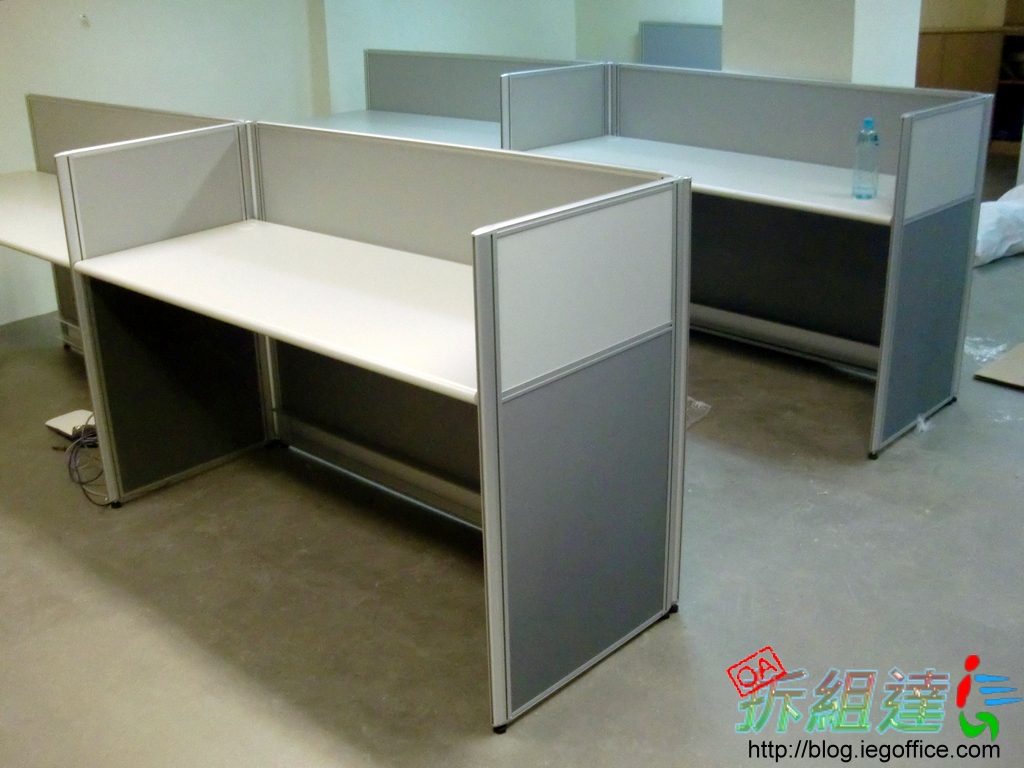
辦公桌一律以「桌板寬度+左右屏風各 2.5cm ≒ +5cm」為自然補正結果
會議桌則以訂製尺寸採「就近的紅字區」為調整參考
| 家具/情境 | 調整前→調整後 (cm) | 調整後文公尺字義 | 文公尺字象 | 備註/補正說明 |
|---|---|---|---|---|
| 辦公桌+屏風 | 100 → 105 | 貴子 | 義 | 加屏風後落在紅字區段 |
| 辦公桌+屏風 | 120 → 125 | 登科 | 義 | 加屏風後落在紅字區段 |
| 辦公桌+屏風 | 140 → 145 | 添丁 | 義 | 加屏風後落在紅字區段 |
| 辦公桌+屏風 | 150 → 155 | 富貴 | 官 | 加屏風後落在紅字區段 |
| 辦公桌+屏風 | 160 → 165 | 口舌 | 黑 | 加屏風後落在黑字區段 |
| 辦公桌+屏風 | 180 → 185 | 離 | 黑 | 加屏風後落在黑字區段 |
| 4–6 人會議桌 | 180 → 176 | 迎福 | 財 | 訂製尺寸縮 4cm 落於紅字區段 |
| 6–8 人會議桌 | 210 → 210 | 財至 | 財 | 原尺寸已在紅字區段 |
| 8–10 人會議桌 | 240 → 240 | 進益 | 官 | 原尺寸已在紅字區段 |
表 2-UP|商業空間:修改後市售常用尺寸 × 文公尺原始對照
純訂製與動線調整,以「在法規與人體工學許可範圍內,微調至最近紅字」為原則
(若原本即為紅字,則維持原尺寸)
| 家具/情境 | 調整前→調整後 (cm) | 調整後文公尺字義 | 文公尺字象 | 備註/補正說明 |
|---|---|---|---|---|
| 收銀台/櫃台(小型) | 150 → 150 | 大吉 | 義 | 原尺寸已在紅字區段 |
| 收銀台/櫃台(標準) | 180 → 176 | 迎福 | 財 | 訂製尺寸縮 4cm 落於紅字區段 |
| 咖啡吧台 | 240 → 240 | 進益 | 官 | 原尺寸已在紅字區段 |
| 前場展示長桌 | 120 → 124 | 財至 | 財 | 訂製尺寸加 4cm 落於紅字區段 |
| 店面入口單扇玻璃門淨寬 | 90 → 90 | 迎福 | 財 | 原尺寸已在紅字區段 |
| 主要通道寬度(客席區走道) | 90 → 90 | 迎福 | 財 | 原尺寸已在紅字區段 |
| 商品展示層架模組寬(單一櫃柱) | 80 → 81 | 財至 | 財 | 訂製尺寸加 1cm 落於紅字區段 |
| 櫃台後方收納櫃寬度 | 80 → 81 | 財至 | 財 | 訂製尺寸加 1cm 落於紅字區段 |
表 3-UP|居家空間:修改後市售常用尺寸 × 文公尺原始對照
居家空間多為訂製與牆距自然形成的尺寸,以下同樣以「最近紅字」為參考
(前提仍為:符合法規、安全與家庭成員的使用需求)
| 家具/情境 | 調整前→調整後 (cm) | 調整後文公尺字義 | 文公尺字象 | 備註/補正說明 |
|---|---|---|---|---|
| 書桌/電腦桌(單人) | 120 → 124 | 財至 | 財 | 訂製尺寸加 4cm 落於紅字區段 |
| 兒童書桌 | 100 → 102 | 添丁 | 義 | 訂製尺寸加 2cm 落於紅字區段 |
| 四人餐桌 (小家庭用) | 120 → 124 | 財至 | 財 | 訂製尺寸加 4cm 落於紅字區段 |
| 六人餐桌 | 160 → 155 | 富貴 | 官 | 訂製尺寸縮 5cm 落於紅字區段 |
| 客廳茶几長邊 | 100 → 102 | 添丁 | 義 | 訂製尺寸加 2cm 落於紅字區段 |
| 雙人床架寬度(標準 5 尺床) | 150 → 150 | 大吉 | 義 | 原尺寸已在紅字區段 |
| 主臥衣櫃單排總寬 | 180 → 176 | 迎福 | 財 | 訂製尺寸縮 4m 落於紅字區段 |
| 玄關鞋櫃寬度 | 90 → 90 | 迎福 | 財 | 原尺寸已在紅字區段 |
| 廚房流理台後方走道淨寬 | 90 → 90 | 迎福 | 財 | 原尺寸已在紅字區段 |
以上六個表格的用途,是您方便快速確認尺寸落點;且內容皆為室內裝修與辦公家具現場常見尺寸。您可以放心地拿著這張份表格,與室內設計師或者裝潢統包商進行尺寸的討論。如果您想更正確的在空間規劃中使用文公尺這個工具,或者是您有客製化的需求又想要完美配合文公尺,您可以參考應用篇。
拆組達人空間規畫小教室(FAQ常用問題集)
Q1.文公尺的字象要不要特別去追?
A1.不需要,尺寸應以法規要求、人體工學為主,字象僅作自我內心映像的參考
Q2.設計時如果文公尺對應到的字象,與你實務篇建議的不同怎麼辦?
A2.文公尺的字象屬於「尺寸語氣」的分類方式,用於補充空間的心理感受;實務篇中的內容則是以功能、法規與施工邏輯為主。兩者用途不同,因此不需要一致。自然補正對照表僅呈現最接近的字象落點,不構成設計建議。
Q3.文公尺適合在室內設計中怎麼使用?
A3.作為溝通語氣,補充尺寸的心理感受,不替代工法/功能/法規,適合運用在橫向尺寸(寬度、深度、開口淨寬)。
延伸閱讀
- 文公尺在室內設計與室內裝修中的現代功能:尺寸與空間語意(前言篇)
- 文公尺四大吉字怎麼用?從「財義官本」讀懂空間用途與家具尺寸(定義篇)
- 文公尺四大吉象 × 三大空間應用指南|室內設計與室內裝潢的尺寸(實務篇)
- 文公尺應用篇|複合用途空間的尺寸判定方法(應用篇)
- 文公尺尺寸對照表|家具與裝潢常用尺寸快速查表(工具篇)
- 文公尺數學邏輯|42.9cm 循環 × 八段落點 × 公分公式換算(公式篇)
以下為英文翻譯版(English Version Below)
Wengongchi Dimension Reference Table|Quick Lookup for Common Furniture & Interior Dimensions (Toolkit Chapter)
This chapter serves as a quick-reference tool to help you check “which auspicious zone a given dimension falls into”.
The tables only present dimension–Wengongchi ruler correspondences, without interpreting auspiciousness or giving fortune-based advice.
If you want to understand how Disassembly & Assembly Lab applies the Wengongchi correctly in modern spatial design, refer to the Practical Chapter.
If you want to check the original traditional meanings of each ruler marking, refer to the Wengongchi Meaning Table.
Instructions for Use
- Must comply with building-code dimensional requirements
- Ergonomics should be prioritized; height dimensions should not use Wengongchi
- No need to “chase auspicious zones,” and no need to panic over black zones
- The tables show standard market sizes mapped to Wengongchi ruler markings
Common Market Sizes vs. Wengongchi Mapping
The following three tables list common fixed-module dimensions available on the market, mapped directly to their corresponding Wengongchi ruler characters.
Table 1|Office Spaces: Common Market Dimensions × Original Wengongchi Correspondence
| Furniture / Scenario | Common Width (cm) | Original Wengongchi Meaning | Wengongchi Glyph | Notes |
|---|---|---|---|---|
| Single Office Desk (Staff) |
100 | 官鬼 (Guān-guǐ) | Black | Common size in general work areas |
| Single Office Desk (Staff) |
120 | 死絕 (Sǐ-jué) | Black | Most common modern standard width |
| Single Office Desk (Enlarged Desktop) |
140 | 長庫 (Cháng-kù) | Black | Typical for multi-monitor or multitasking use; also for junior managers |
| Single Office Desk (Junior Manager) |
150 | 大吉 (Dà-jí) | Yi | One of the common manager desk widths |
| Single Office Desk (Manager) |
160 | 財失 (Cái-shī) | Black | Common for heavy-use, dual-monitor workstations |
| Single Office Desk (Executive / Director) |
180 | 牢執 (Láo-zhí) | Black | Common width for executive or director desks |
| 4–6 Person Meeting Table | 180 | 牢執 (Láo-zhí) | Black | Typical size for small meeting rooms |
| 6–8 Person Meeting Table | 210 | 財至 (Cái-zhì) | Cai | Common size for medium meeting tables |
| 8–10 Person Meeting Table | 240 | 進益 (Jìn-yì) | Guan | One of the common widths for large conference or boardroom tables |
Table 2|Commercial Spaces: Common Market Dimensions × Wengongchi Original Mapping
| Furniture / Scenario | Common Width (cm) | Original Wengongchi Meaning | Wengongchi Glyph | Notes |
|---|---|---|---|---|
| Cashier Counter / Front Counter (Small) | 150 | 大吉 (Dà-jí) | Yi | Common counter length for small shops |
| Cashier Counter / Front Counter (Standard) | 180 | 牢執 (Láo-zhí) | Black | Standard counter length for small–medium shops |
| Café Bar / Light Food Counter | 240 | 進益 (Jìn-yì) | Guan | Typical length for bar-style or café counters |
| Front Display Table | 120 | 死絕 (Sǐ-jué) | Black | Common reference length for display tables |
| Storefront Single Glass Door Clear Width |
90 | 迎福 (Yíng-fú) | Cai | Typical clear width for single entrance doors |
| Main Circulation Aisle (Guest Seating Area) |
90 | 迎福 (Yíng-fú) | Cai | Common ergonomic and regulatory minimum |
| Display Shelf Module Width (Single Bay) |
80 | 口舌 (Kǒu-shé) | Black | Standard module width for system shelves and display cabinets |
| Back Counter Storage Cabinet Width | 80 | 口舌 (Kǒu-shé) | Black | Common module width for back-office storage or cash management cabinets |
Table 3|Residential Spaces: Common Market Dimensions × Wengongchi Original Mapping
| Furniture / Scenario | Common Width (cm) | Original Wengongchi Meaning | Wengongchi Glyph | Notes |
|---|---|---|---|---|
| Study Desk / Computer Desk (Single User) | 120 | 死絕 (Sǐ-jué) | Black | Standard desk length commonly used at home |
| Children’s Study Desk | 100 | 官鬼 (Guān-guǐ) | Black | Common baseline width for children’s desks; also seen in small study desks |
| Four-Seat Dining Table | 120 | 死絕 (Sǐ-jué) | Black | Typical length for a 4-person dining table in small households |
| Six-Seat Dining Table | 160 | 財失 (Cái-shī) | Black | Common dining table length for three-generation households or frequent guests |
| Living Room Coffee Table (Long Side) | 100 | 官鬼 (Guān-guǐ) | Black | Common long-side length for coffee tables in front of the sofa |
| Double Bed Frame Width (Standard 5-ft Bed) | 150 | 大吉 (Dà-jí) | Yi | Most common width for standard double beds |
| Master Bedroom Wardrobe Total Width (Single Row) |
180 | 牢執 (Láo-zhí) | Black | Typical total width for 3-door or 4-door wardrobes |
| Entryway Shoe Cabinet Width | 90 | 迎福 (Yíng-fú) | Cai | Common width for standard entryway shoe cabinets |
| Kitchen Aisle Clear Width (Behind Countertop) |
90 | 迎福 (Yíng-fú) | Cai | Most common aisle clearance in residential kitchens |
Dimension tone and design tone do not need to be the same.
The following three tables present dimensions that are “naturally formed” in real projects.
They include natural adjustments from office partitions (most commercial partitions are 2.5 cm thick), custom-made furniture dimensions, and the forward/backward shifts created by circulation space between built-ins and furniture.
These tables simply show the specifications closest to common market sizes—reflecting the most frequently observed on-site conditions for user convenience.
They do not represent recommendations or suggested adjustments from Chai-Zu Master.
I believe the auspicious characters on the Wengongchi are a kind of tone—not a value judgment, not a restriction.
They are part of the practical wisdom passed down from our predecessors, providing a semantic index that helps us understand space.
Therefore, Wengongchi must not override building codes, nor ignore ergonomics.
In fact, as explained in the Application Chapter, users may define their own expected “spatial tone” by choosing Wengongchi dimensions that match their intentions for the space.
When office partitions are added, desk width naturally increases by 5 cm.
A 120 cm tabletop plus two partitions (2.5 cm each) results in an added 5 cm.
Corrected Common Dimensions × Wengongchi Correspondence
The following three tables all begin from fixed commercial modular dimensions.
- If the original Wengongchi marking is auspicious (red), the size remains unchanged.
- If the marking is inauspicious (black), the dimension is increased or decreased to the nearest auspicious character, allowing quick reference (including partition correction, custom adjustments, or shifts caused by circulation/clearance).
Table 1-UP|Office Spaces: Corrected Market Dimensions × Original Wengongchi Correspondence
Office desks are uniformly adjusted using:
tabletop width + left/right partitions (2.5 cm each ≒ +5 cm)
Meeting tables use custom sizing adjusted to the nearest auspicious zone.
Table 2-UP|Commercial Spaces:Adjusted Common Market Dimensions × Wengongchi Original Markings
Custom fabrication and circulation adjustments follow the principle of
“Within code and ergonomic limits, fine-tune to the nearest auspicious marking.”
(If the original dimension is already in an auspicious zone, it remains unchanged.)
Table 3-UP|Residential Spaces: Adjusted Common Market Dimensions × Original Wengongchi Correspondence
In residential spaces, dimensions are often formed naturally by custom-built furniture and wall-to-wall distances.
The following table likewise uses the “nearest auspicious marking” as a reference,
with the same prerequisite: all dimensions must comply with building codes, safety requirements,
and the practical needs of household members.
The six tables above are designed to help you quickly confirm where a dimension falls on the Wengongchi scale.
All values are real, commonly observed measurements in interior construction and office furniture planning.
You may confidently bring these tables with you when discussing dimensions with an interior designer or renovation contractor.
If you want to use Wengongchi more accurately within spatial planning—or if you have custom尺寸 needs and wish to align them perfectly with auspicious zones—please refer to the Application Chapter.
Shoho Design — Spatial Planning Mini-FAQ
Q1. Do I need to intentionally “chase” auspicious zones when using Wengongchi?
A1. No.
Dimensions must prioritize building codes and human ergonomics.
Wengongchi’s auspicious zones merely provide an additional inner psychological reflection, not a rule that must be followed.
Q2. What if the Wengongchi zone differs from the suggestions you give in the Practical Chapters?
A2. They serve different purposes.
Wengongchi’s zones describe “dimension tone”—a symbolic layer that supports spatial psychology.
The Practical Chapters describe function, regulations, and construction logic.
Because the two systems answer different questions, they do not need to match.
The “natural adjustment tables” only show the nearest zone to commonly used sizes and do not constitute design recommendations.
Q3. How should Wengongchi be correctly used in interior design?
A3. Use it as a language tool, supplementing the psychological tone of dimensions.
It does not replace construction methods, functional requirements, or regulatory standards.
The tool is best applied to horizontal dimensions such as:
- Width
- Depth
- Door clear openings
Further Reading
- Modern Functions of the Wengongchi in Interior Design and Renovation: Dimensions and Spatial Semantics (Introduction Chapter)
- Understanding the Four Auspicious Characters of the Wengongchi:Space Usage and Furniture Dimensions from”Cai, Yi, Guan, Ben” (Definition Chapter)
- The Four Auspicious Zones of the Wengongchi and Three Major Spatial Application Contexts:Dimensional Considerations in Interior Design and Renovation (Practice Chapter)
- Wengongchi Application Chapter | Dimensional Reasoning for Multi-Use Spaces (Application Chapter)
- Wengongchi Dimension Conversion Table | Quick Reference for Common Furniture and Millwork Sizes (Tools Chapter)
- Wengongchi Mathematical Logic:The 42.9 cm Cycle, Eight-Section Structure, and Centimeter Conversion(Formula Reference Table, 301–530 cm)